
Quick answer
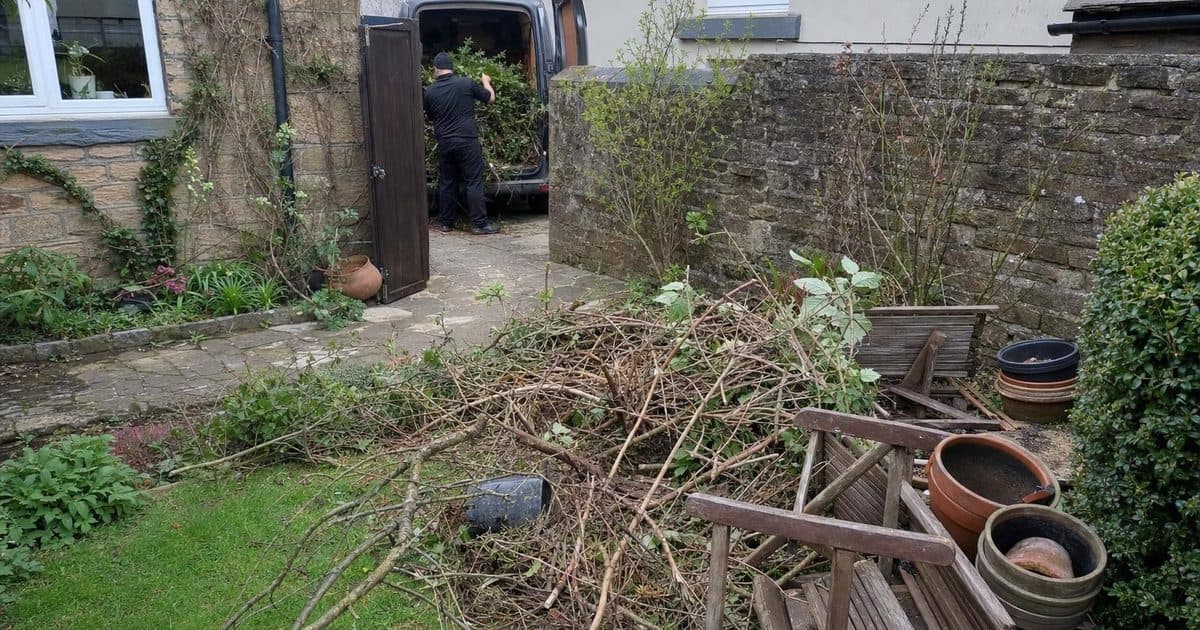
Garden clearance can usually cover branches, hedge cuttings, grass, weeds, old garden furniture, fencing, rubble and small outbuildings, depending on access and volume.
What a typical garden clearance can cover
In Lancaster, a garden clearance is often used when outdoor spaces have become hard to manage, overgrown, or full of items that are no longer needed. The exact service can vary, but it usually focuses on collecting and removing unwanted garden waste and bulky outdoor items in one visit.
For many homes, that means a mix of green waste and heavier materials. A clear plan before the team arrives helps make sure the right items are removed and the job stays straightforward.
Green waste and natural debris
Green waste is one of the most common parts of a garden clearance. This normally includes:
- Branches and twigs
- Hedge cuttings and shrub prunings
- Grass cuttings
- Leaves and weeds
- Dead plants and small roots
If a garden has been left for a while, there may also be compacted leaf litter or a build-up of cuttings from several seasons. These can usually be removed along with the rest of the green waste, as long as access is safe and practical.
Bulky and hard outdoor items
Garden clearances often include items that are too large to fit in a normal household bin. These can include old benches, broken chairs, plant pots, broken planters, patio furniture and outdoor storage items.
Heavier materials may also be taken away, such as dismantled fencing, broken trellis, paving offcuts and small amounts of rubble. If you are unsure whether something can be collected, it is usually best to list it in advance so the team can advise on the most suitable approach.
Common items we see in Lancaster gardens
Many garden clearances in Lancaster involve a similar mix of items. The table below gives a simple overview of what is commonly included and when extra care may be needed.
| Item type | Usually included? | Notes |
|---|---|---|
| Branches and hedge cuttings | Yes | Often collected as part of standard green waste |
| Old garden furniture | Yes | Usually fine if it can be safely lifted and carried out |
| Fencing and trellis | Often | May need dismantling first if still fixed in place |
| Soil and rubble | Sometimes | Depends on quantity, weight and access |
| Sheds and small outbuildings | Sometimes | May be better suited to Shed Clearance or Shed Demolition |
Every property is different. A small courtyard garden in the city centre may need a different approach from a larger garden on the edge of Lancaster, especially if access is narrow or the waste is spread across several areas.
What affects the scope of the job
The main factors are access, volume, weight and how the items are stored. A quick look at the space before the work starts helps the team judge what can be removed efficiently and what may need extra handling.
- How easy it is to reach the garden
- Whether the waste is bagged, stacked or loose
- How heavy the items are
- Whether anything needs dismantling first
- Whether the clearance includes both green waste and mixed rubbish
Access to the property
Access can make a big difference to how a garden clearance is carried out. A clear path from the garden to the vehicle helps the job go more smoothly. Tight side passages, steps, low gates or soft ground can all affect how items are moved.
If access is awkward, it can still often be done, but it is helpful to mention this when booking. That way the team can plan the right number of people and the right equipment for the job.
Mixed waste vs green waste
Some gardens contain only natural waste, while others have a mix of green waste, broken household items and old outdoor materials. Mixed waste can take a little longer to sort and load, especially if there are items stored under tarpaulins, in sheds or behind bushes.
If your garden also includes old household rubbish, damaged furniture or larger unwanted items, you may find it useful to look at Rubbish Removal or Furniture Removal alongside the garden service.
How to prepare before the team arrives
A little preparation can save time on the day and help the clearance run smoothly. You do not need to tidy the whole garden, but separating items into clear groups can be useful.
- Walk through the garden and note what you want removed.
- Move aside any items you want to keep.
- Check whether anything is fixed in place or needs dismantling.
- Make sure paths, gates and access points are open if possible.
- Let the team know about any awkward, heavy or fragile items in advance.
If you have broken panels, old timber, rubble or leftover materials from repairs, it can help to mention whether they came from a DIY project or a larger job. Some items may be better matched with Construction Waste removal if the garden contains building-related debris.
What happens after the clearance
Once the garden has been cleared, the space should be left ready for whatever comes next, whether that is simple tidying, new planting, jet washing or a bigger redesign. Some customers book a clearance before starting landscaping work, while others just want the area back under control.
If there are still items left behind that you meant to keep, it is worth chequeing the garden before the team leaves. A brief final walk-through can help make sure everything has been removed as planned.
For larger outdoor projects that involve dismantling structures or removing hard materials, a combination of services may be needed. In some cases, Garage Clearance or Demolition may be more suitable for adjoining spaces or fixed structures.
