Quick answer
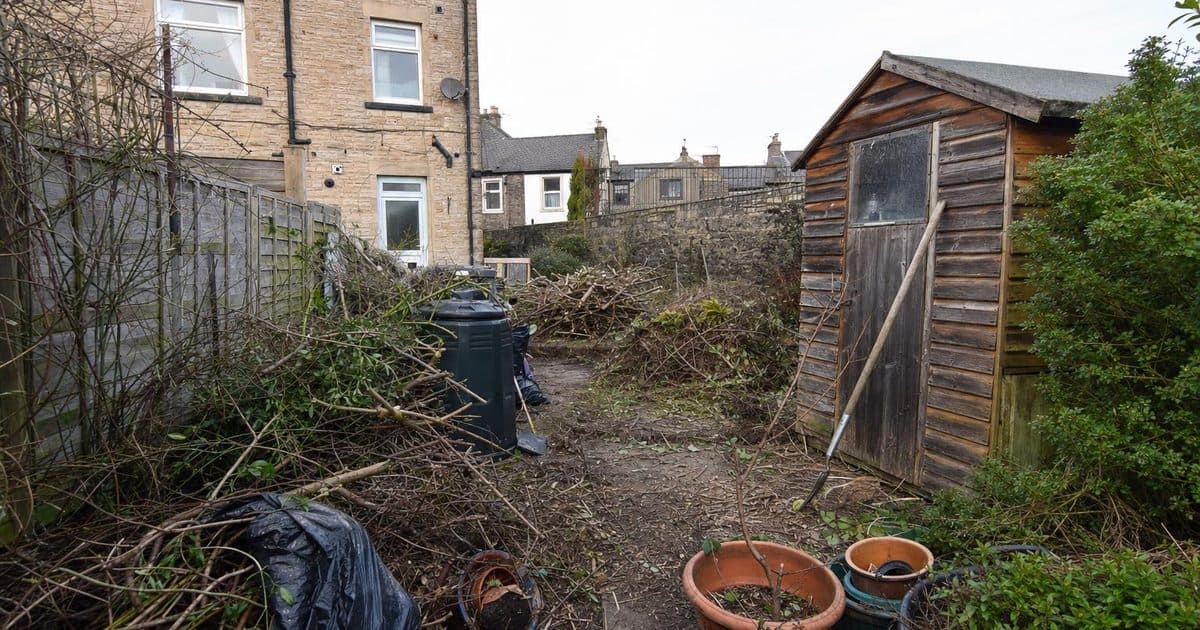
Start with green waste, broken furniture, old plant pots and damaged structures. If you have a rotten shed or unsafe outbuildings, ask about demolition as part of the job.
What to clear first
When a garden has been left for a while, it helps to work from the easiest items to the most awkward. That makes the job feel more manageable and reduces the risk of leaving hidden rubbish behind. In many Lancaster gardens, the best place to begin is with loose waste that is already gathered in one area, such as cuttings, bags of soil, fallen branches and damaged ornaments.
After that, move on to anything that is broken, unsafe or taking up useful space. This may include old furniture, broken fencing, planters, compost bins, rotten timber and items left behind after a previous project. If the garden has heavy items or structures that need lifting out in sections, it is usually better to plan the clearance properly rather than trying to do everything at once.
Green waste and garden rubbish
Green waste is often the largest part of a spring garden tidy. This can include hedge cuttings, grass clippings, leaves, weeds, branches and plants that have died back over winter. If you have been clearing borders, pruning shrubs or cutting back overgrown areas, try to separate plant material from general rubbish where possible.
It is also worth checking for mixed waste in the garden, because outdoor spaces often collect more than just leaves and soil. Bags may contain broken pots, small bits of plastic, old ties, cracked tools and packaging from previous garden work. Keeping this separate from clean green waste can make removal simpler.
What counts as green waste?
Typical green waste from a spring clearance includes:
- hedge trimmings and prunings
- grass cuttings and weeds
- dead plants and roots
- fallen branches and twigs
- old soil from pots and beds
- cleared leaves and seasonal debris
If you are unsure whether something should stay with green waste or go as general rubbish, it is usually best to keep it separate and ask when arranging collection. That helps avoid delays and makes the clearance easier to quote for.
Broken items and bulky outdoor furniture
Broken garden furniture, cracked storage boxes, damaged planters and old play equipment can build up quickly. These items may not look like much individually, but they often take up a lot of room and make it difficult to use the garden properly. Bulky items are also the sort of thing that many homeowners prefer not to move themselves, especially when they are weathered, sharp-edged or heavy.
If you are clearing a patio, decking area or side return, look for any items that are no longer being used. A clearance can often include tables, chairs, benches, parasols, broken barbecues, children’s outdoor toys and empty containers. If something is still usable, you may want to move it elsewhere first. If not, it is usually best to add it to the removal list straight away.
Items that are often left behind
Some of the most commonly overlooked garden items are small but time-consuming to sort through. These can include:
- old plant pots and seed trays
- broken trellis and canes
- rusty tools and fittings
- split dustbins or storage tubs
- offcuts of timber and timber boards
- bags of old compost or rubble
A quick scan of corners, behind sheds and under benches can save time later. These are often the places where clutter collects most easily.
When a shed needs demolition
Some garden buildings can be cleared out, while others have reached the point where removal alone is not enough. If a shed is rotten, leaning, water damaged or unsafe to enter, it may need to be taken down rather than emptied first. The same can apply to old outbuildings, storage lean-tos and fragile timber structures.
Demolition can be a sensible option when the building itself is part of the problem. A shed with a failing roof, broken frame or damaged floor may not be worth saving. In those cases, asking for shed demolition alongside clearance can keep the job straightforward and reduce the need for separate visits.
Signs a structure is not worth saving
Look out for the following signs before deciding what to do:
- rotting timber or soft floorboards
- significant leaning or movement
- a roof that has started to collapse
- broken doors, windows or frames
- water damage throughout the structure
If you can see that the shed is beyond a simple tidy-up, it is usually better to deal with it as part of a demolition or dismantling job. That approach can also make it easier to clear the debris and leave the space ready for future use.
| Garden item | Likely service type |
|---|---|
| Grass cuttings, branches and weeds | Garden clearance |
| Broken chairs, planters and storage boxes | Rubbish removal |
| Rotten shed or unsafe outbuilding | Shed demolition |
Preparing your garden for a clearance
Before a clearance, it helps to walk through the garden and decide what is staying and what is going. If possible, group the items you want removed in one area so they are easy to see. That can make the work quicker and reduce the risk of missing smaller bits of waste.
It is also sensible to check access. Side gates, narrow paths and uneven surfaces can affect how items are carried out. If there are locked areas, broken gates or heavy objects near the back of the garden, make a note of them before the work starts. Clear access helps the job run more smoothly.
Useful things to do before the team arrives include:
- moving cars, bicycles and bins out of the way
- separating items you want to keep
- checking for hidden waste behind sheds and fences
- pointing out anything fragile or difficult to reach
- mentioning any structures that may need dismantling
Getting help in Lancaster
In Lancaster, many garden clearances are part of a larger home tidy-up, especially after winter or before a sale, tenancy change or renovation. If your garden has a mix of waste, broken items and structures to remove, it may be easier to book a service that can handle everything in one visit. That can include general garden clearance, rubbish removal and, where needed, shed demolition.
If the project also involves heavy materials from a patio, path or boundary work, it may overlap with Construction Waste. For larger mixed clearances, a combination of Garden Clearance and Rubbish Removal may be the simplest option. If the job includes a damaged shed, it is worth asking about Shed Demolition at the same time.
The most practical approach is to be clear about what you have, how much access there is and whether any structures are unsafe. That gives you a better idea of what service is needed and helps the work get done with fewer surprises.